

Triglav (2864 m) is the highest peak of the Julian Alps and the undisputed monarch of Slovenian mountains. Its commanding silhouette is not merely the country's central geographical landmark, but the very heart of Slovenian national identity, history, and mythical lore.
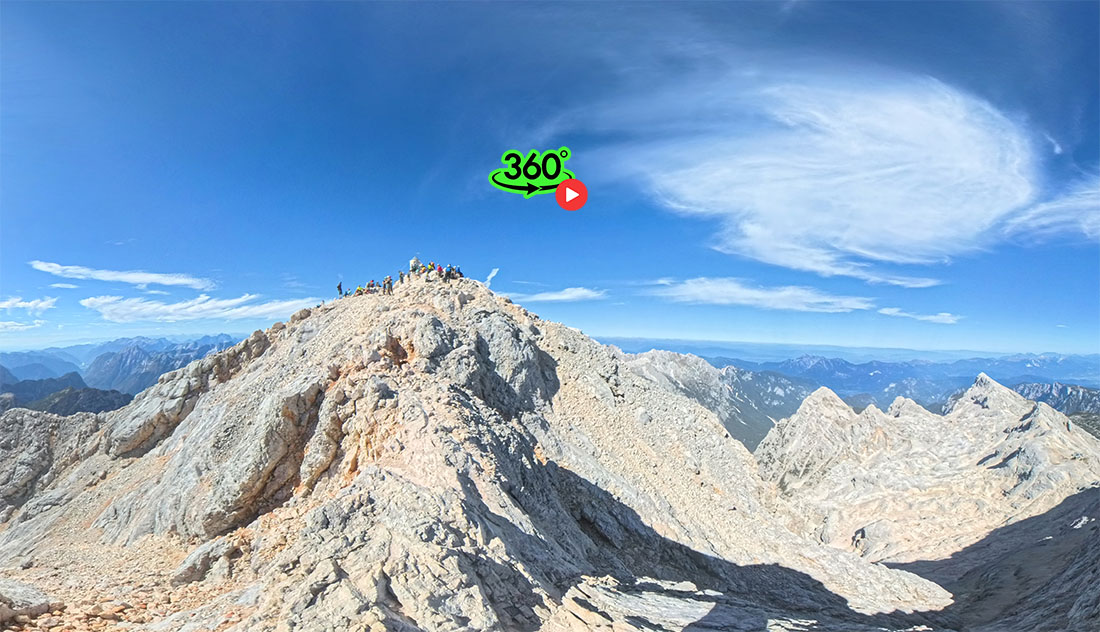
(Triglav, 2025)
The Historic First Ascent and Aljaž's Legacy
The history of conquering Triglav began long before modern mountaineering took shape. The first documented ascent of Mount Triglav occurred on August 26, 1778, initiated by the naturalist and patron Baron Žiga Zois. Four courageous men from Bohinj — Luka Korošec, Matevž Kos, Štefan Rožič, and Lovrenc Willomitzer — reached the summit. Without modern climbing equipment, fixed steel cables, or marked trails, their historic feat stands as a testament to extraordinary endurance, bravery, and native mountain wisdom.
In the late 19th century, amidst intensifying ethnic tensions between Slovenes and the German-Austrian Alpine Club (DÖAV), which sought to Germanize the Julian Alps, Jakob Aljaž, the parish priest of Dovje, purchased the summit plateau of Triglav for a symbolic single Austro-Hungarian gulden. With this vision, he secured the peak in Slovenian ownership forever. On August 7, 1895, according to his design and commission, a modest metal shelter was erected at the apex of the peak — the Aljaž Tower (Aljažev stolp). This shelter quickly transcended its role as an alpine refuge to become an enduring symbol of Slovenian identity, national defiance, and sovereignty.
The Mighty North Face
Among Triglav's most formidable natural wonders is its precipitous northern wall. The Triglav North Face — simply referred to by mountaineers as Stena ("The Wall") — rises vertically above the Vrata Valley as a limestone wall roughly 4 kilometres wide and over 1 kilometre high. It is one of the highest and largest vertical alpine walls in Europe. Today, the face features well over one hundred established climbing routes across all difficulty grades, ranging from historic pioneer ascents to extreme technical testpieces. Most legendary among them is the sheer, overhanging Sphinx ("Sfinga"), whose formidable face remains a benchmark for the most elite alpinists.
From Großglockner to Triglav: The Shifting Borders of Slovenian Settlement
Contemplating Triglav as the crown of the Slovenian homeland evokes a profound historical reflection on the changing geographical boundaries of its ancestral peoples.
In the Early Middle Ages, during the era of Slavic Carantania and the initial settlement of the Eastern Alps, the Slavic/Slovenian linguistic and cultural territory extended considerably further to the north — reaching into the High Tauern (Visoke Ture) and along the upper reaches of the Drava and Mura rivers. In that broader geographical domain, the highest mountain within the ancestral territory of modern Slovenes was in fact Großglockner (Veliki Klek, 3798 m). Even today, numerous toponyms and historic micro-locations at the foot of Großglockner (e.g., Dovje/Döllach, Graden, Kals) reflect this ancient Slavic presence.
Through centuries of medieval colonization, Germanization, and the southward retreat of Slavic populations, the Slovenian ethnographic space contracted considerably. The ethnic boundaries eventually solidified along the Karawanks and Carnic/Gailtal Alps, leaving Großglockner deep within the Germanic realm. With this historical contraction, the status of the highest domestic summit shifted unequivocally to Mount Triglav.
When did Triglav truly become the national symbol of Slovenia?
- Early Mentions and the Enlightenment: Triglav first entered enlightened cultural consciousness at the end of the 18th century (through Baron Zois's circle, the poet Valentin Vodnik, and his poem Vršac). At that stage, however, appreciation was rooted primarily in scientific curiosity and early patriotic affection rather than a widespread national myth.
- The 19th-Century Watershed: The genuine transformation into a national symbol occurred in the mid-to-late 19th century, catalyzed by the Spring of Nations (1848) and the subsequent Slovenian national revival. As mountain ridges and alpine huts became contested ideological arenas, Triglav emerged as the symbolic rampart of national identity. With Aljaž's purchase in 1895 and the founding of the Slovenian Alpine Club (1893), Triglav was irrevocably cemented as the supreme emblem of Slovenian pride and cultural resilience.
National Symbol and Mythology
Today, Mount Triglav is an integral component of Slovenia's national heraldry. Its stylized tripartite silhouette takes pride of place on the Slovenian coat of arms, the national flag, and the Slovenian 50-cent euro coin.
The name and aura of the peak are intertwined with deep-rooted folk traditions and Slavic mythological memories, where "Triglav" (the Three-Headed One) was conceived as a cosmic deity encompassing heaven, earth, and the underworld. Entwined with the legend of the Goldhorn (Zlatorog) and his enchanted mountain realm, Triglav commands timeless mystery and veneration.
Ascending its highest point remains a traditional rite of passage for Slovenes, encapsulated by the cherished saying: "You are not a true Slovene until you stand on top of Triglav."
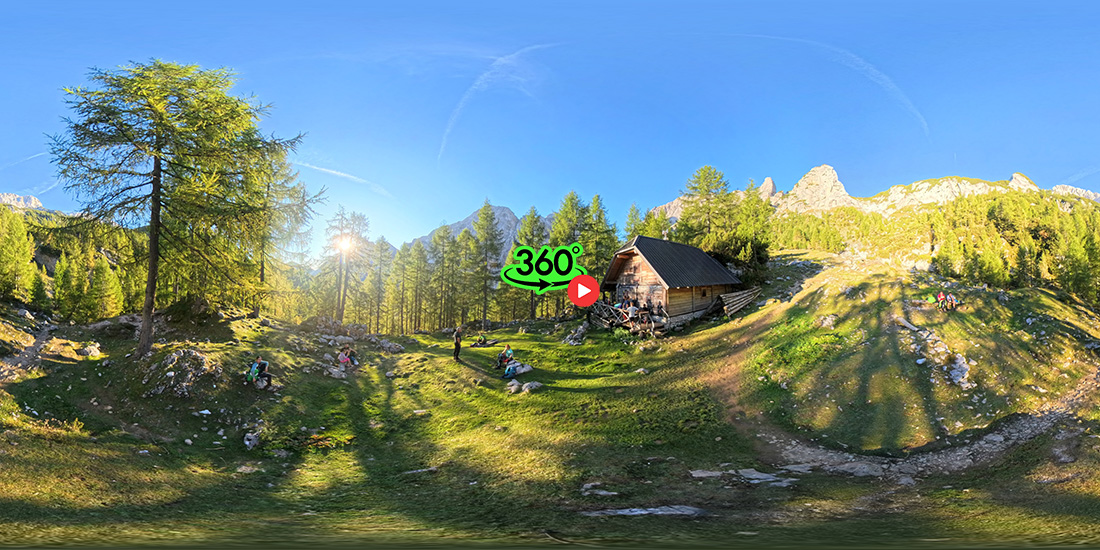
(Virtual 360° tour: Krma: Zgornja Krma→ Kredarica → vrh)
Access Routes and Approaches:
Pokljuka: Rudno polje → Vodnik Hut → Planika Hut → Summit (Moderate)
Krma: Zgornja Krma→ Kredarica → vrh (Moderate)
Vrata Valley: Aljaž Hut → Kredarica Hut → Summit (Demanding / Via ferrata)
Triglav Lakes Valley: Lakes Hut → Dolič Hut → Summit (Demanding)
Bohinj (Voje Valley): Velo polje → Kredarica Hut → Summit (Long and scenic)
The burger.si project created the very first 360-degree interactive virtual panorama from the summit of Triglav as early as 1996. The virtual excursion accessible here represents pioneer heritage digitization dating back nearly three decades.
See also: Triglav Glacier.