

Bled is one of the most beautiful and recognizable places in Slovenia, combining natural beauty, rich history, and vibrant tourism. It lies in the northwestern part of the country, in the Gorenjska region, at an altitude of approximately 475 meters. Surrounded by the Julian Alps and the Karavanke mountains, which protect it from cold winds, Bled enjoys a milder subalpine climate. Lake Bled, two kilometers long and up to 30 meters deep, is the central natural landmark of the area.
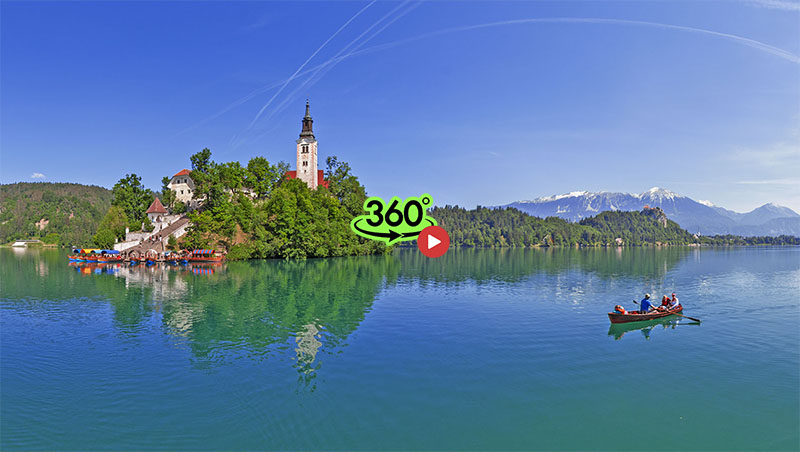
The origin of the lake is linked to glacial activity during the Pleistocene, when the Bohinj glacier carved out a basin that later filled with water. Tectonic shifts and the deposition of moraine material also played an important role. The thermal springs at Bled still testify to the geological activity of the area – their water maintains a constant temperature of around 20 °C and is channeled into hotel pools, the most famous being the thermal pool of the Grand Hotel Toplice.
Already in the 19th century, these springs were one of the reasons Arnold Rikli developed his natural healing method in Bled. The first traces of human presence at Bled date back to the Stone Age, while settlement became denser in the Iron Age, as evidenced by burial grounds beneath the castle hill.
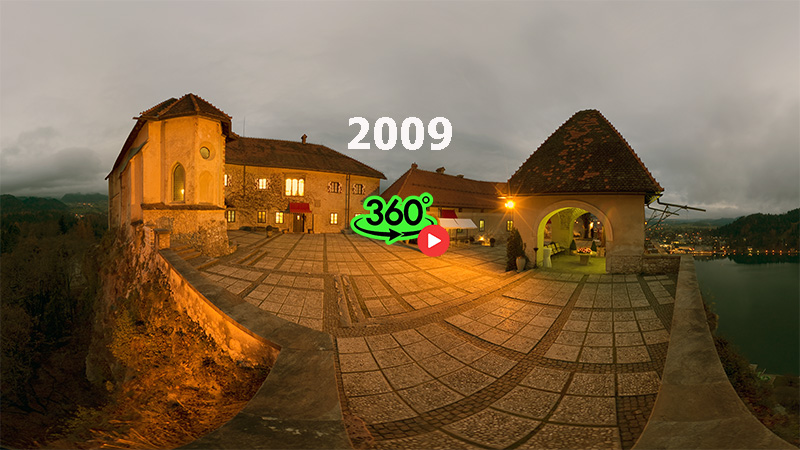
Bled Castle, first mentioned in 1004, became the symbol of the town and an important feudal center. In the 19th century, Bled gained fame as a spa, especially thanks to the Swiss healer Arnold Rikli, who introduced natural therapies using sun, air, and water. The construction of the Gorenjska railway in 1870 made access easier and accelerated the development of tourism.
Today, Bled is one of the most visited tourist centers in Slovenia, famous for the island with the Church of St. Mary, Bled Castle, the Vintgar Gorge, and its culinary specialty – the Bled cream cake. Its reputation has also been enhanced by famous personalities, including Agatha Christie, who in 1967 remarked that Bohinj was “a beautiful place for a murder.”